Trisipia Plantain Project
Establishing a high-yield commercial plantain plantation with secured land allocation, prioritizing perimeter fencing to ensure comprehensive crop protection and food security.
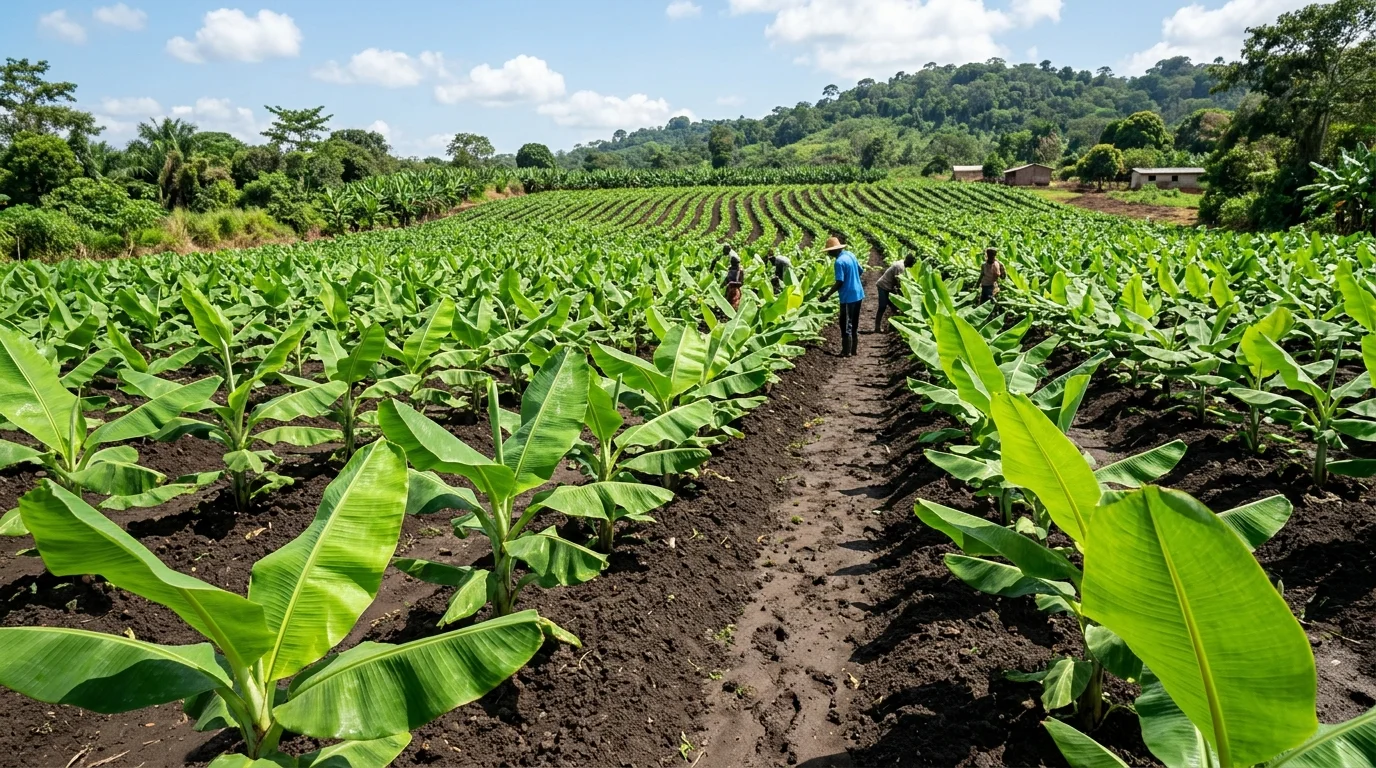
The Trisipia Plantain Project is actively in progress and launching soon. Land allocation has officially been secured. To proactively protect agricultural investments and prevent issues like crop theft and trespass, our team is prioritizing parcels with pre-existing, secure perimeter fencing before planting commences. Plantain sucker supplier agreements for high-yield varieties are established.
Market Need & Agricultural Challenge
West Africa and Nigeria face expanding market demand for staple food crops, particularly plantains—a crucial dietary staple and essential industrial raw material for food processing. However, commercial agricultural projects frequently confront severe crop theft and trespass risks without secure physical perimeters, alongside supply chain bottlenecks and low-yield traditional farming methods.
Trisipia Plantain Project Plantation Model
The Trisipia Plantain Project is developing a long-term commercial plantain plantation enterprise. Land allocation has officially been secured, and our management team is actively working to finalize a fully perimeter-fenced parcel to safeguard crops against theft and unauthorized entry prior to transplanting. High-yield, disease-resistant plantain sucker supplier agreements are established. Under Trisipia Limited's institutional model, every infrastructure project developed in our pipeline transitions into our permanent commercial operating Portfolio stage upon operational fulfillment.
Project Execution Roadmap
Plantation Profile
"To establish the Trisipia Plantain Project as a premier regional agricultural producer delivering consistent, high-yield plantain harvests, creating rural employment, and building a resilient, long-term staple food supply chain."
Partner With Us on Trisipia Farms
Trisipia welcomes collaboration with agro-processors, off-take buyers, input suppliers, and agricultural development specialists.